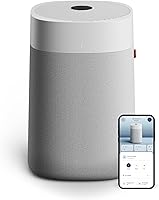
7 Best Air Purifiers for Allergies (October 2026)
The best air purifiers for allergies include the Levoit Vital 200S-P for pet-friendly living rooms, the Levoit Core 300-P for small bedrooms, and the Coway AP-1512HH for changing room conditions.
On this page (10 sections)
- How we chose these allergy air purifiers
- Compare coverage, size and weight
- The best air purifiers for allergies in detail
- How much room coverage do you need for allergies?
- Which filters matter most for airborne allergens?
- How should you balance noise and automatic controls?
- Where should you set up an allergy air purifier?
- How do you keep airflow from falling over time?
- Which mistakes make an allergy purifier less useful?
- Final decision: the best air purifier for allergies in your room
The best air purifier for allergies is the Levoit Vital 200S-P if pollen removal is your main buying priority. Choose the Levoit Core 300-P for a small bedroom, or the Coway AP-1512HH if you want the fan to respond automatically to changing room conditions.
A purifier captures airborne particles that reach its filter. It cannot clear allergens already settled on bedding or furniture, as our guide to whether air purifiers help with allergies explains.
Start with the room you want to clean, then choose controls you'll use consistently. For a broader comparison of household needs, see our best air purifiers for home guide.
Our picks at a glance
-
1

-
2

-
3

How we chose these allergy air purifiers
We prioritized useful airflow figures, fine-particle filtration and practical daily controls. The order also considers room fit, maintenance features and the trade-offs each model asks you to accept.
Pollen and dust CADR help compare how much filtered air a purifier delivers each minute. AHAM verification adds an independent performance check, while timed coverage figures show how a room-size claim relates to cleaning frequency.
We also considered the features that help a purifier stay in use: manageable size, light controls, automatic fan adjustment and clear filter reminders. A machine that fits your room and routine is a better choice than one you regularly switch off.
Particle capture is only part of managing indoor air. The EPA guide to air cleaners explains how filtration works alongside source control and ventilation.
Compare coverage, size and weight
Compare cleaning frequency and physical fit together, rather than choosing the largest coverage number. A purifier must move enough air for the room and fit somewhere its intake stays clear.
| Product | Best for | Coverage | Size | Weight | Our score |
|---|---|---|---|---|---|
| Levoit Vital 200S-P | pet-friendly living rooms | Up to 1,875 sq ft | 14.96 x 8.66 x 19.69 in | 13.2 lb | 9.2 |
| Levoit Core 300-P | small bedrooms | 222 sq ft at 4.8 air changes per hour | 8.7 x 8.7 x 14.2 in | 7.9 lb | 8.8 |
| Coway AP-1512HH | changing room conditions | Up to 1,748 sq ft in 60 minutes | 9.6 x 16.8 x 18.3 in | 12.5 lb | 8.7 |
| Winix 5510 | connected pet households | 392 sq ft AHAM verified | 11 x 15.9 x 25.2 in | 13.3 lb | 8.6 |
| Winix 5520 | tight living spaces | 392 sq ft AHAM verified | 8.3 x 13.6 x 22.7 in | 13.3 lb | 8.2 |
| Coway Mighty2 | clear maintenance reminders | 900 sq ft in 30 minutes | 9.3 x 16.9 x 17.9 in | 15.2 lb | 8.1 |
| Blueair Blue 311i Max | shared home workspaces | 439 sq ft in 12.5 minutes | 12.5 x 12.5 x 19 in | 7.72 lb | 7.9 |
The table includes coverage figures measured over different periods. A rating for one air change per hour is not equal to a rating for several changes per hour, even when the larger number looks more impressive.
Dimensions matter beyond the space occupied by the base. Allow access for filter changes, check clearance below shelves and leave the airflow paths open.
The best air purifiers for allergies in detail
Choose the Vital 200S-P for pollen-focused airflow, then consider the alternatives for a specific room or daily habit. Each pick below has a clear buyer fit and a reason to choose something else.
Levoit Vital 200S-P: Best for pet-friendly living rooms
- AHAM verified
- Smoke CADR of 250 CFM
- Dust CADR of 254 CFM
- Pollen CADR of 289 CFM
Our first choice for pollen-focused buyers pairs the highest stated pollen CADR here with an extra inlet for airborne pet hair.
Pros
- Highest stated pollen CADR in this group
- AHAM-verified air cleaning performance
- U-shaped secondary inlet for airborne pet hair
Cons
- Heavier than the Core 300-P and Blueair Blue 311i Max
- Maximum coverage figure does not specify a cleaning interval
Levoit Vital 200S-P: best allergy air purifier for pollen-focused buyers
The Vital 200S-P is the first choice for a living room or larger bedroom where pollen and airborne pet debris are the main concerns. Its AHAM-verified CADR figures are 289 CFM for pollen, 254 CFM for dust and 250 CFM for smoke.
The added U-shaped inlet gives airborne pet hair another path into the machine. That makes it a useful match for shared family spaces, though hair already stuck to upholstery still needs cleaning.
Levoit gives a maximum coverage figure of 1,875 square feet without a cleaning interval in the supplied specifications. Base your room decision on airflow and the number of air changes you want, rather than stretching it across a whole floor.
Choose it when particle removal comes before the smallest body. Skip it if you need a compact unit beside a bed or plan to carry the purifier between rooms often.
Our full Levoit Vital 200S review takes a closer look at its room fit and features.
Levoit Core 300-P: Best for small bedrooms
- AHAM verified
- Pollen CADR of 167 CFM
- 24 dB Sleep Mode
- Timer and switchable display lights
Choose this compact bedroom purifier when floor space is limited and you prefer manual controls over an app.
Pros
- Small footprint for a bedroom
- Clear room rating at 4.8 air changes per hour
- Display lights can be turned off
Cons
- No Auto Mode or smart connection
- Less airflow than the Vital 200S-P
The Core 300-P suits a small bedroom where floor space and control over lights matter. Its 222-square-foot rating at 4.8 air changes per hour is the useful sizing figure for frequent cleaning, rather than its much larger once-per-hour figure.
It has manual fan control, no Auto Mode and no smart connection. That's a good fit if you prefer choosing a steady speed yourself, but skip it if you want the machine to respond while you're away.
Sleep Mode is rated at 24 dB, and you can switch off the display lights. Its 2-, 4-, 6- and 8-hour timer is useful for planned sessions, though continuous operation is the better fit when airborne particles remain a concern.
This is the space-saving option, not the choice for a connected living area. Levoit specifies 120V use in the United States, so it also isn't the pick for a home with a different electrical supply.
Coway AP-1512HH: Best for changing room conditions
- Four-stage filtration
- Air quality monitor
- Auto and Eco modes
- Filter service alerts
Its sensor-based Auto Mode adjusts the fan as room conditions change, with separate reminders for pre-filter cleaning and filter replacement.
Pros
- Washable pre-filter
- Automatic fan adjustment based on air quality
- Air quality light can be switched off
Cons
- Wider than the Core 300-P
- Maximum coverage describes a 60-minute cleaning cycle
The Coway AP-1512HH fits buyers who want automatic fan adjustment without making app features the deciding factor. Its pollution sensor changes the fan speed in Auto Mode as room conditions change.
The four-stage system combines a washable pre-filter, deodorization filter, bipolar device and HEPA filter. Cleaning and replacement alerts help separate routine pre-filter care from replacing the other filters.
Its air quality light gives a quick visual reading and can be turned off for sleep. That combination suits a room used for both daytime activities and rest.
Coway's maximum coverage of 1,748 square feet describes a 60-minute cleaning cycle. Choose a smaller working area if your goal is more frequent air turnover.
Pick it for responsive controls and straightforward maintenance prompts. Skip it if you need numerical particle readings, or if a narrow bedside space makes the smaller Levoit a better physical fit.
Winix 5510: Best for connected pet households

- AHAM verified at 392 sq ft
- True HEPA filter
- High-deodorization carbon filter
- Winix Smart app support
This app-connected option combines particle filtration with a separate carbon filter for households concerned about both airborne allergens and odors.
Pros
- Sensor adjusts fan speed automatically
- Washable fine-mesh pre-filter
- Remote control and monitoring through the app
Cons
- Tallest purifier in this group
- Darkness automatically triggers Sleep Mode
The Winix 5510 suits a pet household that wants remote control plus separate particle and odor filtration. Its True HEPA filter handles airborne particles, while Winix says the high-deodorization carbon filter reduces household odors and VOCs.
Use its AHAM-verified room figure of 392 square feet as the starting point for frequent cleaning. The much larger maximum coverage describes a full hour, so it shouldn't drive an allergy-focused room choice.
The Winix Smart app lets you control and monitor the purifier remotely. On the machine, sensors adjust fan speed in Auto Mode and an LED shows current air quality.
Darkness automatically starts Sleep Mode, with a stated minimum sound level of 23.5 dB. Consider that behavior if your living room stays dim during the day, since the quiet setting may not match your preferred airflow.
Choose it when connected controls help you manage daily use. Skip it if its 25.2-inch height crowds a shelf or the smaller Winix body fits your room better.
Winix 5520: Best for tight living spaces
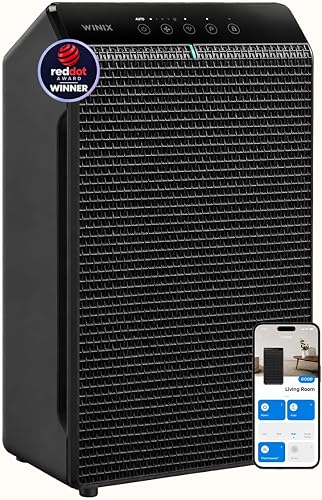
- AHAM verified at 392 sq ft
- True HEPA filter
- Auto Mode with air quality sensor
- Light-activated Sleep Mode
Choose the smaller Winix body when placement is tight but you still want app support, automatic controls and a separate carbon filter.
Pros
- Narrower and shorter than the Winix 5510
- Smart sensors and Auto Mode
- App control and monitoring
Cons
- Same weight as the larger Winix 5510
- Darkness automatically triggers Sleep Mode
The Winix 5520 is the choice when you want the main Winix features in a narrower, shorter body. It measures 8.3 by 13.6 by 22.7 inches and shares the 5510's AHAM room figure.
Its smaller size doesn't come with a lower stated weight. Treat it as a placement choice rather than a lighter machine for frequent carrying.
The filtration includes a washable fine-mesh pre-filter, True HEPA filter and high-deodorization carbon filter. App support, sensor-based Auto Mode and an air quality light give it much the same everyday role as the 5510.
It also switches to Sleep Mode when the room darkens. Think about where it will stand and how that room is lit before choosing either Winix.
Buy the 5520 if the available floor space rules out the larger model. Skip it if you're choosing only for a filtration upgrade over the 5510, since their stated room coverage and main features closely overlap.
Coway Mighty2: Best for clear maintenance reminders
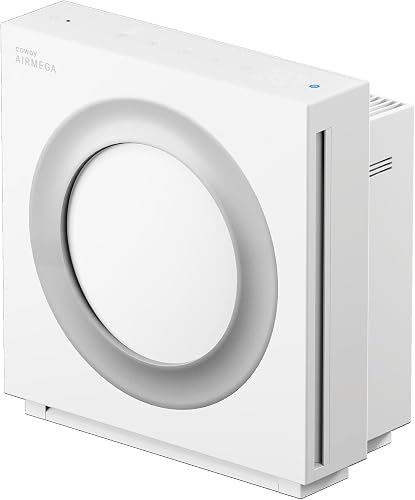
- Dust CADR of 242 CFM
- Smoke CADR of 240 CFM
- Pollen CADR of 249 CFM
- Filter life display from 100% to 0%
Pick the Mighty2 for visible maintenance guidance, numerical particle readings and a pre-filter that slides out without opening the front cover.
Pros
- Separate life displays for the pre-filter and Max2 filter
- Automatic Smart, Eco and Sleep modes
- Three-year limited warranty
Cons
- Heaviest pick in this group
- HEPA and active carbon share one replacement filter
The Coway Mighty2 suits buyers who want clear information on both air conditions and maintenance. Its laser sensor shows PM1, PM2.5 and PM10 readings through a numerical display and color indicator.
Separate percentage displays track the washable pre-filter and combined HEPA and active carbon Max2 filter. The pre-filter slides out without opening the front cover, which makes routine access simpler.
Its CADR figures are 242 CFM for dust, 240 CFM for smoke and 249 CFM for pollen. Smart Mode adjusts airflow, while Eco and light-triggered Sleep modes change operation as conditions change.
Coway gives a minimum noise figure of 19 dB. That figure describes its quietest operation, so don't assume it provides the same airflow as a higher setting.
Choose it if clear care prompts would help you stay on schedule. Skip it if you want separate HEPA and carbon replacements or regularly carry the purifier upstairs, since it's the heaviest option here.
Blueair Blue 311i Max: Best for shared home workspaces

- CADR of 250 CFM for smoke, dust and pollen
- 360-degree air intake
- App control and automatic fan adjustment
- QuietMark-certified operation, 23 to 50 dB
This lightweight smart purifier suits a living area that doubles as a workspace, with app schedules and automatic fan adjustment.
Pros
- Lightest model in this group
- Equal stated CADR for smoke, dust and pollen
- App tracks air quality and filter life
Cons
- Upper noise figure is 50 dB
- Intake needs open space around every side
The Blueair Blue 311i Max fits a living room that doubles as a home office. App schedules, remote control and automatic fan adjustment help you plan operation around work and family routines.
Blueair gives equal CADR figures of 250 CFM for smoke, dust and pollen. Its 439-square-foot rating in 12.5 minutes is more useful for frequent cleaning than the much larger once-per-hour coverage figure.
HEPASilent combines mechanical and electrostatic filtration. Blueair says it captures airborne particles including pollen, dust and pet dander, while the app tracks air quality and filter life.
This is the lightest model here at 7.72 pounds. It's easier to relocate, though moving one purifier around still leaves the other rooms without active filtration.
Choose it if app scheduling and low carrying weight matter. Skip it if you need to tuck the unit into a tight gap, since its 360-degree intake needs open space around the body.
How much room coverage do you need for allergies?
Choose coverage that supports several air changes per hour in the room you use, rather than a large area cleaned only once. Read the room size and time together before comparing models.
An air change means processing a volume of air equal to the room's volume. It doesn't mean every particle disappears after one pass, because room air mixes and new particles can keep entering.
Measure the room's length and width, then account for open connected areas. A living room flowing into a dining area creates a different job from a bedroom with its door closed.
Ceiling height matters, too. A tall room contains more air than a standard-height room with the same floor area, so square footage alone can understate the workload.
For a closer match, use our room-size calculation guide. Our air purifier CADR guide explains how airflow, room volume and cleaning frequency fit together.
Don't expect one portable unit to provide equal cleaning through closed doors or along a hall. If you can buy only one, prioritize the room where you spend the most uninterrupted time.
Also allow room for a tolerable fan setting. If a purifier barely meets your needs at maximum speed, turning it down for calls or sleep reduces the airflow available for that space.
Which filters matter most for airborne allergens?
Prioritize particle filtration and enough airflow for pollen, dust and pet dander. Extra features help with daily use, but they don't replace a suitable room size.
A pre-filter catches larger airborne debris such as hair before it reaches the main filter. In a pet home, keeping that first stage clear can prevent a visible layer of fur from restricting airflow.
The main particle filter does the finer capture work. Small differences between advertised capture percentages shouldn't outweigh room fit, since air must reach the filter before it can be cleaned.
Carbon serves a different purpose: reducing some gases and odors. A room smelling fresher doesn't prove that airborne allergen levels are low, and a lack of odor doesn't mean the filter needs no attention.
Also separate pet hair from pet dander in your expectations. Visible fur on a sofa needs direct cleaning, while a purifier can capture some smaller particles circulating through the air.
For dust-focused rooms, our guide to choosing an air purifier for dust explains why surface cleaning still matters. Damp dusting, vacuuming and washing bedding address material that a room purifier cannot pull from surfaces.
How should you balance noise and automatic controls?
Choose a fan setting you can leave running during normal room use. A quiet minimum setting is helpful, but it doesn't describe how the purifier sounds or performs at higher airflow.
Published minimum sound figures apply to particular low or sleep settings. They aren't a promise that the machine will stay that quiet while cleaning at its maximum room capacity.
For a bedroom, think about light as well as sound. A switchable display may matter more than an app, especially if small lights disturb your sleep.
Our bedroom air purifier guide focuses on that room's placement and control trade-offs. Decide whether you prefer a steady fan sound or automatic speed changes before narrowing your choices.
Auto Mode is useful when conditions vary, but a sensor is not an allergen counter. A clean-looking indicator doesn't prove that every type of airborne allergen is absent.
Check how your chosen model behaves when the lights go out. Light-triggered sleep settings can be convenient at bedtime, yet may lower airflow in a darkened room where you still want stronger cleaning.
Where should you set up an allergy air purifier?
Start in one priority room with clear airflow paths. A stable, accessible spot is more useful than a hidden corner that blocks the intake or makes care difficult.
Before the first run, follow the setup instructions and check whether protective packaging needs removing from the filter. Confirm that the filter sits correctly and the cover closes as directed.
Follow the brand's wall-clearance requirements rather than using a universal distance. Keep curtains, bedding and furniture away from the intake and outlet.
Avoid placing the machine where a door can strike it or where the cord crosses a walkway. Leave enough access to remove the filter without rearranging the room.
Our air purifier placement guide covers common room layouts. If you move the purifier, check the new spot for airflow clearance instead of assuming any open patch of floor will work.
During heavy outdoor pollen, limit unnecessary open-window time when practical. Keep dealing with indoor sources and settled dust, since filtration works best as one part of room care.
How do you keep airflow from falling over time?
Keep air passages and the pre-filter clear, then replace the main filter according to the brand's instructions and actual conditions. A reminder is a prompt to inspect the machine, not permission to ignore a visible blockage.
Check the accessible pre-filter more often if hair or lint builds up quickly. Follow the approved cleaning method, and wash only parts that the brand identifies as washable.
Let washed parts dry fully before reinstalling them. Don't rinse a main particle filter unless its instructions specifically allow that treatment.
Levoit recommends replacing the Core 300-P filter every 6 to 8 months. That is a model-specific starting point, not a schedule to apply automatically to every purifier here.
Before buying, identify the correct replacement filter and consider the ongoing replacement expense. A combined filter also means replacing its joined stages together, rather than refreshing only one part.
Our filter replacement guide explains the signs to watch for. Record when you fit a new filter and reset its reminder only after completing the required care.
Which mistakes make an allergy purifier less useful?
The biggest mistakes are undersizing, blocked airflow and too little running time. Correct those before assuming that another feature will solve the problem.
Buying for a whole home from a once-per-hour coverage claim is a common sizing error. Start with a realistic room boundary and a frequent cleaning rate.
Running only after you notice dust or a smell leaves long gaps without filtration. A planned daily routine is more useful than brief bursts followed by hours switched off.
Using the quietest setting for every situation can also limit cleaning. After activities that stir up dust, choose a stronger setting if the sound is acceptable, then return to your regular speed.
Don't aim a fan at dusty bedding or rugs to send debris toward the purifier. Clean those surfaces directly instead of deliberately putting more particles into circulation.
Finally, don't treat a bright air-quality display as a reason to stop cleaning. Sensors, filters and household cleaning each serve a different purpose, and none makes the others unnecessary.
Final decision: the best air purifier for allergies in your room
Choose the Vital 200S-P when pollen-focused airflow is the main priority. Choose the Core 300-P when you're cleaning a small bedroom and want compact size with manual controls.
Pick the Coway AP-1512HH for responsive automatic operation, or the Mighty2 if numerical readings and clear filter-care prompts matter more. The Mighty2 makes the most sense when those displays will change how you manage maintenance.
Choose the Winix 5510 for connected controls and a separate carbon stage. Move to the 5520 if the smaller body is what makes placement work.
The Blueair Blue 311i Max suits a shared living and work area where schedules and low carrying weight are useful. Give its all-around intake enough room to breathe.
The best air purifier for allergies is the one sized for your priority room at a speed you'll keep using. Before ordering, use our CADR guide to check that fit, then plan its placement and filter care.
Our top 3 picks at a glance
-
1
-
2
-
3
Frequently asked questions
Do air purifiers really help with allergies?
Air purifiers can reduce airborne pollen, dust and pet dander when enough room air passes through their filters. They cannot remove allergens already settled on bedding, rugs or furniture, and they do not cure allergies.
Pair filtration with regular cleaning and steps that reduce allergens entering the room.
What CADR should an allergy air purifier have?
Choose a CADR that supports frequent air cleaning in your room, rather than buying by the largest advertised coverage figure. Compare pollen and dust CADR when available, and allow for ceiling height and connected spaces.
Remember that published airflow figures may depend on a higher fan setting than you prefer.
Is a larger coverage number always better?
No, a large coverage number may describe one air change per hour, while a smaller number may describe nearly five. Compare coverage and time together so you know how frequently the purifier can process the room's air.
A large maximum figure does not mean the unit can serve several closed rooms.
Should an air purifier run all day during allergy season?
Steady operation makes sense when airborne allergens keep entering or circulating in the room. Choose a fan speed you can keep running, and follow the brand's operating instructions.
A short timer cycle leaves the room without filtration afterward, so reserve timers for situations where that pause fits your routine.
Where should you place an air purifier for allergies?
Start in the room where you spend the most uninterrupted time, often the bedroom. Keep the intake and outlet clear, follow the required wall clearances and avoid blocking the unit with curtains or furniture.
Choose a stable spot where the cord stays out of walkways and away from pets.