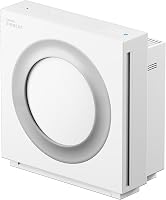
Where to Place an Air Purifier in Your Home
The best place for an air purifier is the room where you spend the most time, with its intake and outlet clear. Use a firm, level surface and follow the manual's clearance requirements.
On this page (10 sections)
- Where should you place an air purifier?
- How much space should you leave around an air purifier?
- Is a bedroom a good place for an air purifier?
- Should you put an air purifier near a window or door?
- Where should an air purifier go in an open floor plan?
- Can you put an air purifier in a corner?
- Should an air purifier be on the floor or raised?
- Where should you place an air purifier for smoke or odors?
- How should you set up and care for the purifier?
- Choose the room first, then the model and position
Place an air purifier in the room where you spend the most time, with clear space around its intake and outlet. Use a firm, level surface and follow the clearance requirements in its manual.
Deciding where to place an air purifier starts with the room, then the exact spot. A bedroom unit won't reliably clean a distant living room through a hallway, and extra wall clearance can't make an undersized purifier serve a larger space.
Where should you place an air purifier?
Place it in the room you want to clean, close enough to serve your usual seating or sleeping area without crowding its vents. If you have one purifier, give priority to the room where you spend the longest uninterrupted stretch.
For many homes, that means the bedroom overnight or a home office during the workday. A central hallway may seem convenient, but it leaves the purifier outside the rooms where you actually need air cleaning.
Start with our guide to what size air purifier you need before settling on a location. Measure the intended room rather than choosing a unit from your home's total square footage.
Where to place an air purifier when rooms serve different needs
Choose a regular location based on your main goal, then move the unit only when another room needs priority. If you carry it between rooms, each location still needs suitable coverage, clear vents, and a safe outlet.
Separate units make more sense when you need air cleaning in 2 closed rooms at the same time. Leaving bedroom doors open doesn't turn one portable purifier into a whole-home system.
How much space should you leave around an air purifier?
Leave the clearance specified in the manual around each intake and outlet. There isn't one wall gap that fits every purifier, because vent positions and airflow paths differ.
Look for all the openings before you choose a spot. An open front doesn't help if a side intake is pressed against a sofa or the outlet blows into the underside of a shelf.
Check the space with the room in normal use, including curtains drawn and chairs pulled out. Leave access to the filter compartment so routine care doesn't require rearranging furniture.
Avoid these common shortcuts:
- Hiding the purifier inside a cabinet or behind a sofa.
- Sliding it beneath a desk that crowds the outlet.
- Letting curtains or bedding hang across an intake.
- Placing storage baskets against the unit after setup.
Is a bedroom a good place for an air purifier?
A bedroom is a useful first choice when you want filtration during sleep. Place the unit where bedding can't fall over it and where the airflow won't create an uncomfortable draft across your face.
Don't squeeze it between the bed and a nightstand just to keep it close. Clear airflow matters more than having the purifier within arm's reach.
The Core 300-P suits a smaller bedroom and buyers comfortable choosing fan speeds themselves. Levoit specifies 4.8 air changes per hour in 222 square feet, a more useful bedroom reference than its much larger once-per-hour coverage figure.
Its body measures 8.7 x 8.7 x 14.2 inches, making it easier to fit into a modest floor area before adding vent clearance. Levoit gives a Sleep Mode noise level of 24 dB, but that low-speed figure doesn't describe every setting.
Skip it if you want automatic fan adjustment: this model has no Auto Mode. Also choose a larger-capacity option if your room needs more airflow; compare alternatives in our best air purifiers for bedrooms guide.
Run a higher speed before bedtime if needed, then choose a nighttime setting you can leave running. Use our best air purifiers for home guide to compare options beyond the bedroom.
Should you put an air purifier near a window or door?
A window or doorway isn't automatically the best spot. Put the purifier where it serves the occupied room without blocking the door, catching moving curtains, or creating a cord hazard.
An open window can keep bringing outdoor particles inside, while a purifier removes particles from the air passing through it. During outdoor smoke or high-pollen periods, reducing that incoming source can matter more than moving the purifier closer to the window.
Ventilation and filtration serve different purposes, so don't rely on a purifier to replace fresh-air ventilation. Choose window use based on outdoor conditions and the room's needs.
Where should an air purifier go in an open floor plan?
Place it in the occupied part of the connected space, with an open path for room air to reach the intake. Include connected areas in your sizing decision rather than measuring only the patch around the sofa.
A kitchen island, dividing wall, or long hallway can separate airflow between zones. If the layout has several distinct occupied areas, consider more than one unit rather than expecting a single purifier at one end to serve them equally.
Compare capacity at the same air-change rate. A large once-per-hour coverage figure doesn't mean the same cleaning rate as several air changes per hour in a smaller room.
The Vital 200S-P suits a living area or pet household that needs more airflow than the Core 300-P provides. Its additional inlet gives you another opening to check when positioning it beside furniture.
Allow for its 14.96 x 8.66-inch footprint before adding clearance. Skip it if the only available location is a narrow gap or if you expect its advertised 1,875-square-foot coverage to mean frequent air changes across that entire area.
Use our guide to air purifier size and CADR to compare capacity before choosing between models. CADR helps you judge air-cleaning output; the dimensions tell you whether the unit fits the available spot.
Can you put an air purifier in a corner?
A corner works only when both walls leave enough clearance for the unit's openings. A more open wall position is a better choice when the corner forces an intake or outlet against a surface.
Check the space again after moving nearby furniture. Rotating the purifier can help with vent clearance, but don't solve one blocked opening by pointing another into a wall.
Should an air purifier be on the floor or raised?
Use the surface recommended for your model. A floor-standing purifier needs a firm, level base; raising it is useful only when the manual permits that placement and the surface safely supports it.
Keep it away from water, table edges, and busy paths. Route the power cord where feet, chair wheels, and pets won't damage it.
The Winix 5520 suits buyers who want automatic fan adjustment in a regularly occupied room. It has an air-quality indicator, app control, a washable mesh pre-filter, and a carbon filter for household odors.
Winix gives an AHAM-verified room size of 392 square feet, which is the useful starting point for frequent air cleaning. Its light-controlled Sleep Mode activates when the room darkens, so skip it if you prefer to choose every fan change yourself.
Keep its indicator visible and leave room to remove the pre-filter for cleaning. A hidden location makes both daily checks and care less convenient.
Where should you place an air purifier for smoke or odors?
Place it in the affected room, with clear airflow and a safe distance from heat, splashes, and cooking grease. Remove or reduce the source first, such as using kitchen exhaust during cooking or cleaning pet bedding.
Particle filters and odor filters do different jobs. Carbon can help with some odors, but a purifier doesn't replace source control, working smoke and carbon monoxide alarms, or leaving an unsafe area.
For smoke, see what air purifiers can and cannot do for smoke. For pet smells, read whether air purifiers help with pet odor.
How should you set up and care for the purifier?
Before first use, check for packaging around the filter, seat it correctly, and close the filter cover as directed. Confirm that the chosen location leaves the controls, vents, and filter access clear.
Choose a fan speed you can keep running comfortably. Auto Mode can reduce manual adjustments, but its sensor reading reflects conditions around the unit and doesn't prove that every corner has equally clean air.
Unplug the purifier before maintenance and follow its cleaning instructions. Wash only parts identified as washable, and let them dry fully before reinstalling; don't rinse a particle filter unless the manual specifically permits it.
Check filters more often during smoky or dusty periods and in homes with shedding pets. Our guide to how often to change an air purifier filter explains how conditions and filter care affect replacement needs.
Choose the room first, then the model and position
Decide where to place your air purifier before buying: identify the priority room, measure it, and find a spot with safe power access and enough clearance. Then choose capacity and controls that suit how you'll use it.
Pick the Core 300-P for a smaller bedroom with manual controls, the Vital 200S-P for more airflow in a living area, or the Winix 5520 for automatic adjustment. If no model fits your planned corner, change the location before sacrificing vent clearance.
Compare suitable models in our air purifier guide. To set realistic expectations for the room you've chosen, read what air purifiers do and don't do.
Frequently asked questions
Where is the best place to put an air purifier?
Put an air purifier in the room you want to clean, usually a bedroom, living room, or home office. Choose an open spot with the clearance its manual requires, and keep the intake and outlet clear of furniture, walls, and curtains throughout the day.
Should an air purifier be on the floor or a table?
Use the surface recommended in your model's manual: a floor-standing unit belongs on a firm, level surface; use a table only if the instructions allow it and the table safely supports it. Keep the purifier away from edges, water, loose fabric, and places where it could tip.
Can I put an air purifier in a corner?
A corner can work if every intake and outlet has the clearance required in the manual; check both nearby walls, plus any furniture or curtains that share the corner. If keeping those openings clear makes the spot cramped or unsafe, move the purifier to a more open location.
Should I leave my air purifier on all the time?
For ongoing particle removal, run the purifier consistently while following its operating instructions; choose a fan speed you can tolerate for long periods, since switching it off stops filtration. Keep the vents clear and maintain the filters, and don't assume the quietest setting provides the same airflow as higher speeds.