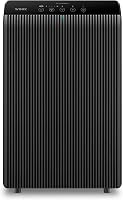
Winix 5510 Air Purifier Review: Worth It? (October 2026)
This Winix 5510 air purifier review recommends it for everyday room cleaning with odor control and remote access. Size your room around its AHAM Verified coverage rather than the largest one-hour claim.
On this page (10 sections)
- Winix 5510 air purifier review: who should buy it?
- How much room can the Winix 5510 cover?
- What do the Winix 5510 filters handle?
- Does the Winix 5510 help with smoke, dust and pet dander?
- How do Auto Mode, Sleep Mode and the app affect daily use?
- Where should you put the Winix 5510, and how do you set it up?
- How should you clean and care for the filters?
- When should you choose Blueair or Levoit instead?
- Which buying and use mistakes should you avoid?
- Winix 5510 air purifier review: which model should you choose?
The Winix 5510 is a good fit for everyday room cleaning when you want particle filtration, household odor control and remote access together. This Winix 5510 air purifier review recommends choosing it for a defined room rather than expecting one unit to cover an entire home.
Its most useful features work together: the mesh catches larger particles, the HEPA filter captures fine particles, and carbon addresses odors. The buying decision comes down to room size, the fan speed you'll use and whether its automatic controls fit your routine.
Winix 5510 air purifier review: who should buy it?
Buy the 5510 for a living room, bedroom or home office where airborne particles and recurring household odors both matter. It's especially relevant to pet households willing to clean the pre-filter and keep up with replacement filters.
Winix 5510: Best for mixed pet households

- AHAM Verified at 392 sq ft
- True HEPA filter
- Odor-control carbon filter
- Winix Smart App compatibility
The 5510 suits households managing airborne pet dander and everyday odors in one room. Its washable mesh pre-filter supports regular upkeep, while Auto Mode and remote app control reduce manual adjustments.
Pros
- Washable mesh catches larger airborne particles
- Carbon filter targets household odors
- App control and sensor-driven Auto Mode
- Sleep Mode responds to room lighting
Cons
- Maximum coverage uses a one-hour cleaning interval
- Darkening the room triggers quiet Sleep Mode
The 5510 earns an 8.6 score for combining a practical filter setup with automatic operation and remote control. Its strongest use is steady cleaning in the room where you spend time.
Is the Winix 5510 air purifier right for you?
Choose the 5510 if you want a purifier that can respond to changing air quality without constant manual adjustments. The app is useful when you want to check or control the unit from elsewhere.
Skip it as your only solution for several closed bedrooms or a whole floor divided by walls. Air needs a clear path through the purifier, and a large coverage claim does not move air through closed doors.
Also consider another approach if your main complaint is dust already coating furniture or a persistent odor source. A purifier handles airborne material; cleaning and source removal still do much of the work.
For other models aimed at bigger spaces, see our best air purifiers for large rooms guide.
How much room can the Winix 5510 cover?
Use the 392 sq ft AHAM Verified area as the starting point for sizing the 5510. Winix's larger coverage claims use longer intervals, so they describe a different cleaning pace.
| Coverage basis | Room area |
|---|---|
| AHAM Verified area | 392 sq ft |
| Winix's 15-minute claim | 470 sq ft |
| Winix's 20-minute claim | 627 sq ft |
| Winix's 30-minute claim | 941 sq ft |
| Winix's one-hour claim | 1,882 sq ft |
For a room near the verified area, the 5510 is a more sensible match than it is for a very large open floor. Frequent air cleaning matters more when particles keep entering the room from pets, outdoor air or daily activity.
Measure the whole connected space you expect it to serve. If the living room opens directly into a dining area, counting only the space beside the sofa understates the job.
Our guide to calculating room size for an air purifier explains the measurement step. High ceilings also increase air volume, so floor area alone can make a tall room look easier to clean than it is.
Compare competing models at matching cleaning intervals or with CADR, the clean air delivery rate. Our guide to choosing an air purifier by size and CADR explains how to make that comparison.
What do the Winix 5510 filters handle?
The 5510 uses mesh, True HEPA and carbon filtration to address different parts of indoor air cleaning. The mesh catches larger airborne particles, HEPA handles fine particles, and carbon targets odors and gases.
Winix says its True HEPA filter captures 99.99% of airborne allergens as small as 0.01 microns, including pollen, dust, smoke and pet dander. That is a filter capture claim, not a promise that the whole room becomes particle-free.
Avoid choosing between purifiers by capture percentage alone. Airflow, room fit and hours of operation determine how much room air reaches the filter.
Winix says the carbon filter reduces VOCs and household odors from cooking, pets and smoke. Carbon helps with odor compounds, but continued odor production can outpace what a purifier removes.
For pet homes, place equal weight on washing bedding, cleaning litter areas and removing waste. Our guide to air purifiers and pet odor explains why those steps matter alongside filtration.
Does the Winix 5510 help with smoke, dust and pet dander?
The 5510 can capture these pollutants while they're airborne, with carbon addressing some associated odors. It cannot collect dust from shelves, remove pet hair from upholstery or stop smoke at its source.
For dust, pair filtration with damp wiping and regular floor cleaning. Stirring up settled dust without removing it gives the purifier more airborne material to handle.
For pet dander, run the unit where the pet and household members spend time together. Keep bedding or a pet bed from blocking the air intake.
For smoke, reducing exposure starts with stopping the source or limiting its entry. Use our air purifier guide for smoke to understand the limits of particle and odor filtration.
An odor fading does not prove that air is safe, and particle capture does not guarantee symptom relief. Our guide to air purifiers and allergies covers realistic expectations.
How do Auto Mode, Sleep Mode and the app affect daily use?
Auto Mode adjusts fan speed from sensor readings, while the Winix Smart App provides remote control and monitoring. The LED air quality indicator gives you a quick view of what the unit senses.
Auto Mode suits routine use when you want the purifier to respond without frequent input. Still, a sensor measures conditions near the unit, so don't treat its display as a complete picture of every pollutant throughout the room.
Sleep Mode activates when the room darkens and returns to Auto Mode when light returns. This is convenient for a regular bedtime routine, but it also means room lighting affects operation.
Winix rates the slowest speed at 23.5 dB. That figure describes quiet operation at one setting, so plan around the sound of the fan speed you need rather than assuming every mode is equally quiet.
Lower fan speeds generally move less air. If you routinely darken a busy living room for movies, decide whether automatic quiet operation fits your priorities before buying.
Where should you put the Winix 5510, and how do you set it up?
Put the 5510 on a stable surface with clear airflow, close to the room you want it to clean. It measures 11 x 15.9 x 25.2 inches and weighs 13.3 pounds, so measure the intended spot before ordering.
Leave the intake and outlet clear according to the manual. A purifier tucked behind a sofa or under a crowded table has a harder path for moving air through the room.
Before the first use, open the filter compartment as directed and check for any protective packaging around the filters. Remove packaging, reinstall each filter in the correct order and close the compartment before powering on.
Start with a room where you can leave the purifier in place and run it regularly. Moving one unit between distant rooms splits its cleaning time and makes it easy to neglect the space that needs it most.
If you plan to use remote controls, complete the app setup while you're beside the purifier and have the manual available. Confirm the controls work before relying on remote access.
Keep cords out of walkways and the unit away from water. Our guide on where to place an air purifier helps you choose a practical location.
How should you clean and care for the filters?
Clean the washable fine-mesh pre-filter as directed, and follow separate instructions for the HEPA and carbon filters. A washable pre-filter does not mean the entire filter system can go under a tap.
Inspect the mesh more often if you have shedding pets or visible dust buildup. Removing collected debris helps keep the air path clear.
Unplug the purifier before opening it for care. If you wash the mesh, allow it to dry fully before putting it back.
Don't wash the HEPA or carbon filters unless the manual specifically permits it. Water can damage filter media or affect how a filter works.
Check replacement-filter availability before you commit to a purifier, then include replacements in your upkeep budget. Our guide to how often to change an air purifier filter explains why conditions and use affect replacement needs.
When should you choose Blueair or Levoit instead?
Choose Blueair for scheduling and easier moving, or Levoit for a larger connected room. The 5510 remains the balanced choice here when odor control, washable mesh and remote access all matter.
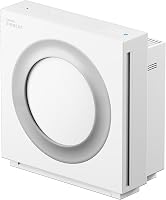
Winix 5510 vs Blueair Blue 311i Max
The Blueair Blue 311i Max suits a medium bedroom or office where scheduled operation and filter-life tracking would make upkeep easier. Its app supports those features alongside air quality monitoring.
Blueair's HEPASilent system combines mechanical and electrostatic filtration. Blueair says it captures 99.97% of airborne particles down to 0.1 microns.
The unit weighs 7.72 pounds, making it lighter to carry than the Winix. Blueair gives an operating noise range of 23–50 dB and says its performance is QuietMark-certified.
Choose it if you want to organize cleaning around a workday or bedtime schedule. Skip it in favor of the Levoit if your main need is more stated coverage at the same short interval.
Winix 5510 vs Levoit Core 600S-P
The Levoit Core 600S-P suits a larger open living area where airflow takes priority. It has a CADR of 391 CFM, a 3-stage filtration system and sensor-driven Auto Mode.
Levoit offers replacement filter options aimed at smoke, pet concerns and other pollutants. Check which filter suits your concern rather than assuming every replacement serves the same purpose.
Choose this model when your connected room exceeds the practical fit of the smaller alternatives. Skip it if you're trying to solve airflow between several closed rooms, since a larger purifier still needs air to reach it.
For another brand comparison, see Coway vs Winix.
Which buying and use mistakes should you avoid?
Avoid oversizing the coverage claim and undersupplying the airflow. Those mistakes can leave you with a purifier that fits the headline number but not the way you'll use it.
- Choosing by the largest area alone: compare cleaning intervals and count the full connected room.
- Running only when you notice an odor: regular use gives airborne particles more chances to pass through the filter.
- Blocking airflow: leave space around the unit instead of hiding it behind furniture.
- Relying only on the sensor light: use source control even when the display looks reassuring.
- Ignoring filter care: inspect the mesh and follow replacement guidance for the other filters.
- Expecting quiet mode to match full airflow: choose enough capacity for the speed you can live with.
Before ordering, decide where the purifier will stand and whether you'll keep it running there. That practical plan matters more than an extra control you rarely use.
Winix 5510 air purifier review: which model should you choose?
This Winix 5510 air purifier review recommends the 5510 for a defined room with mixed particle and odor needs. Choose it when you want remote access, automatic fan adjustments and a washable first filter, and you can maintain it regularly.
Choose Blueair when scheduling and a lighter unit would improve your routine. Choose Levoit when a larger open space calls for more airflow, rather than stretching the Winix's maximum coverage claim.
Before buying, measure your connected room and choose the place where the purifier will stay. If you're still comparing room types and needs, use our best air purifiers for home size-and-need guide to narrow the choice.
Frequently asked questions
How large a room can the Winix 5510 clean?
Use its AHAM Verified area of 392 sq ft as your starting point for room sizing. Winix also claims coverage of 1,882 sq ft in one hour, but that describes a slower cleaning interval across a larger area, so it should not guide a whole-home buying decision.
Does the Winix 5510 have an app?
Yes, the Winix Smart App lets you control and monitor the purifier remotely. On the unit, an air quality indicator gives visual feedback and Auto Mode adjusts fan speed from sensor readings, so remote access adds convenience alongside the purifier's own automatic controls.
Does the Winix 5510 help with odors?
Its carbon filter targets household odors from cooking, pets and smoke, along with VOCs, according to Winix. Use it alongside source control: clean pet bedding, remove waste and use suitable kitchen ventilation, because a filter cannot stop fresh odors from entering the room.
Is the Winix 5510 quiet enough for a bedroom?
It suits buyers who want quiet operation at the slowest speed, which Winix rates at 23.5 dB. Sleep Mode activates when the room darkens, so consider whether that lighting-based behavior fits your routine, especially if you want stronger airflow in a dark room.